


All articles
Dental emergency in Geneva: what to do and when to see a dentist
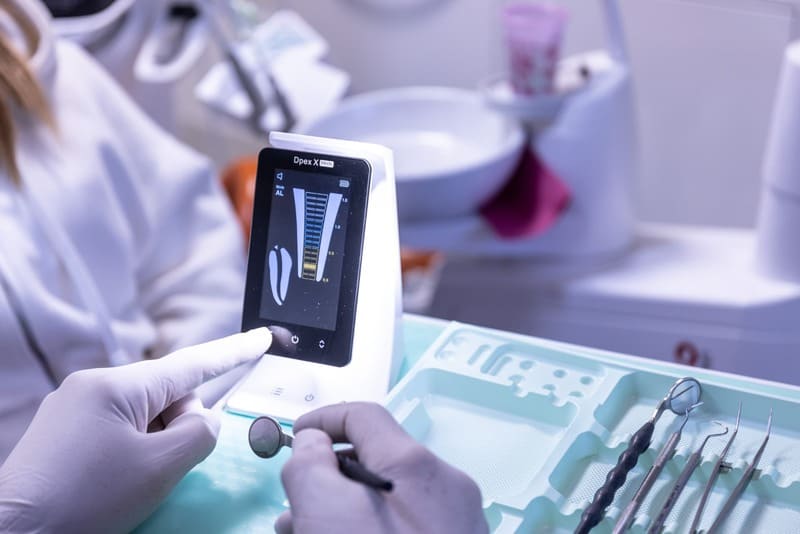
Dental pain never arrives at a convenient time. Whether it is severe toothache in the middle of the night or a tooth broken in a fall, knowing what to do in the first few hours can often help save the tooth and shorten the period of pain.
Which situations are genuine dental emergencies?
Not every dental problem requires immediate treatment, but some should not wait. Seek urgent dental care in Geneva if you have:
What to do while you wait for your appointment
Knocked-out tooth: pick it up by the crown, avoiding the root. Rinse it briefly without scrubbing and keep it in milk or in your own saliva. The sooner you are seen, ideally within an hour, the better the chance that the tooth can be successfully replanted.
Severe toothache: an over-the-counter painkiller, taken according to the instructions, may help. Avoid applying heat to the cheek and never place aspirin directly on the gum.
Swelling: apply a cold compress through a cloth and seek care without delay, particularly if you have a fever or difficulty swallowing.
Prompt treatment at the practice
At Dr Erik Perpignani’s EP Dentist practice at 9 rue Saint-Jean, 1203 Geneva, Switzerland, we keep appointments available for dental emergencies during opening hours. Call us as soon as possible on 022 344 25 25: we will assess the situation by telephone and arrange an appointment according to urgency and availability.
Outside opening hours, Emma, our digital assistant, is available 24/7 to guide you. The practice is easy to reach by Geneva public transport (TPG), on lines 7, 9 and 11.
Prevention is better than cure
Related treatments
Help preserve a painful or infected tooth with root canal treatment.
Check-ups, hygiene and restorative care to keep your teeth healthy for the long term.
 Call
 E-mail
 Plan